
09 Apr OMAN
L’Oman è un paese non molto conosciuto che in queste ultime settimane è finito suo malgrado sulla bocca di tutti dopo l’attacco all’Iran. Il Sultanato dell’Oman occupa l’angolo orientale della penisola arabica. Confina con l’Arabia Saudita, con gli Emirati Arabi Uniti (UAE) e con lo Yemen. Ha una costa lunghissima – oltre 3000 km – ed è lambito dal Mare d’Arabia e dal Golfo Persico (Golfo di Oman), dallo Stretto di Hormuz a nord fino al confine con lo Yemen a sud.
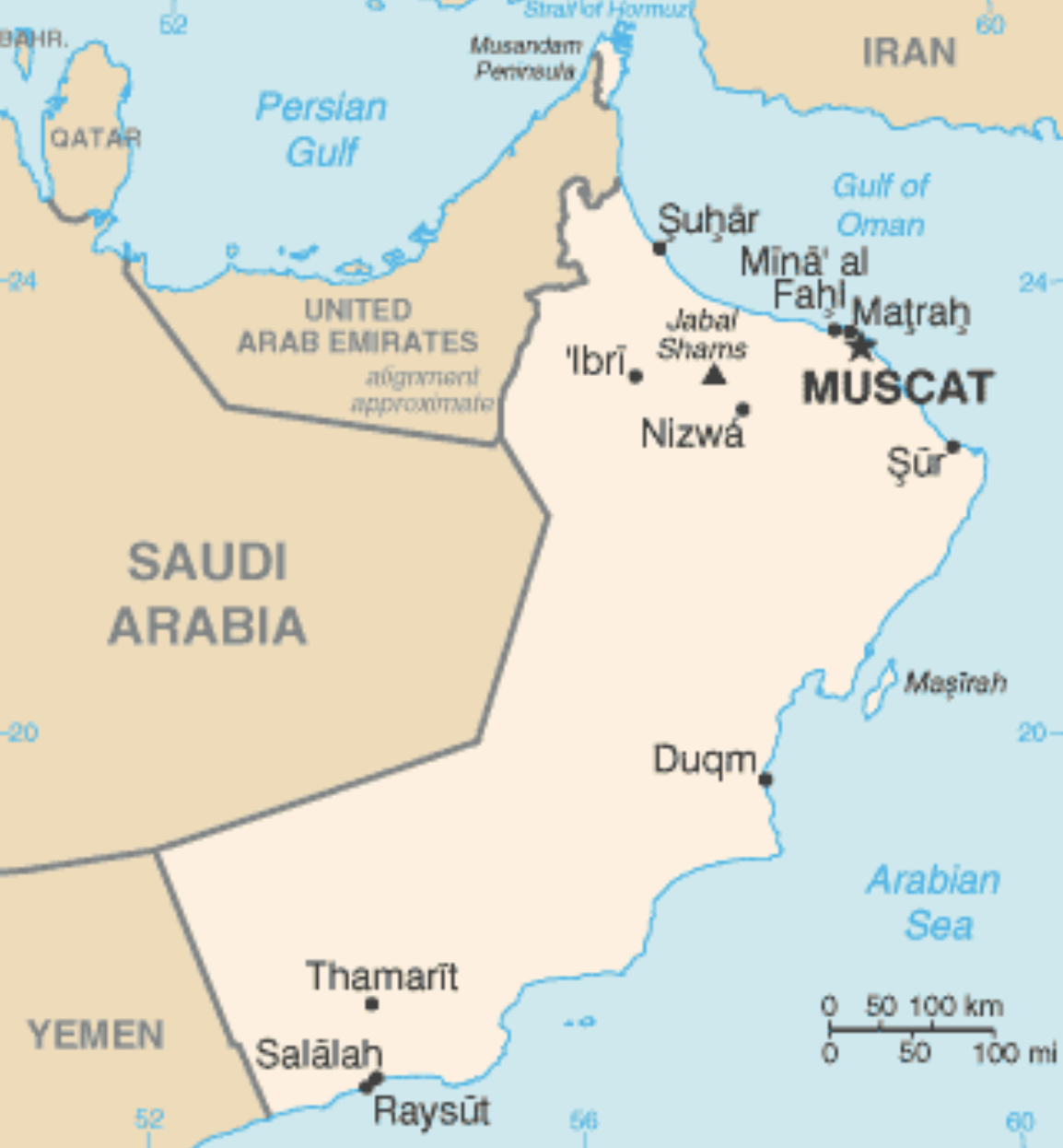
Il rinascimento dell’Oman ha avuto inizio nel 1970 da parte del defunto Sultano Qaboos bin Said, con l’intento di trasformarlo da una nazione chiusa e isolata in un paese moderno, rispettandone però le tradizioni. È infatti l’Oman il più antico stato indipendente nel mondo arabo, retto continuativamente dalla dinastia di Al Bu Said dal 1744.
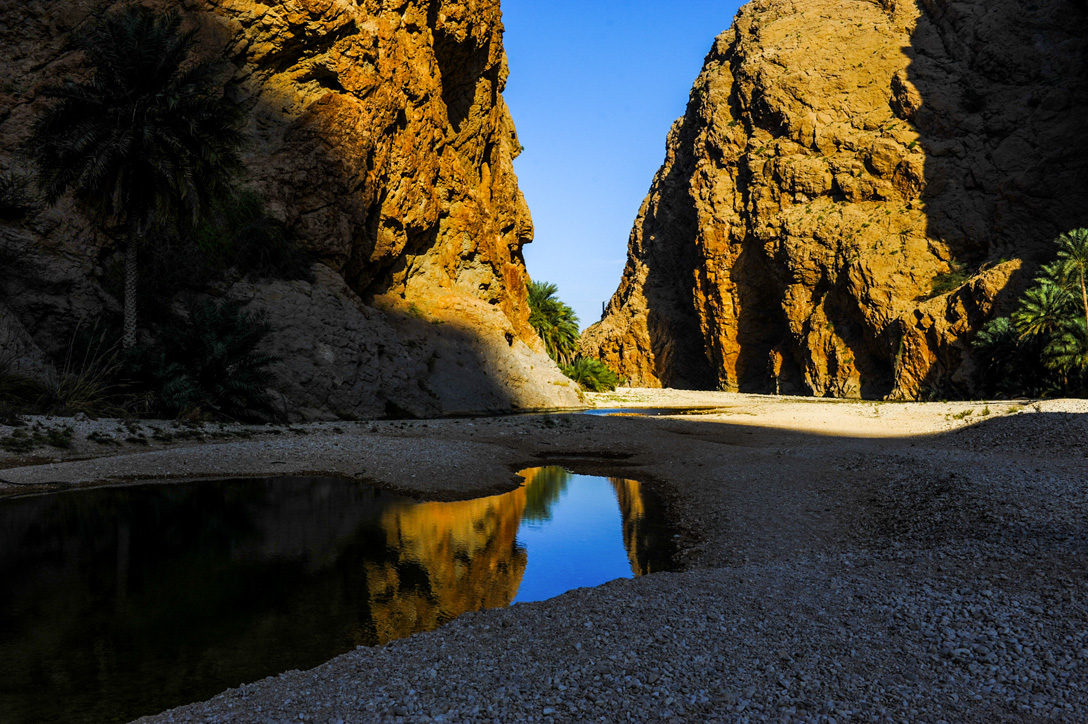
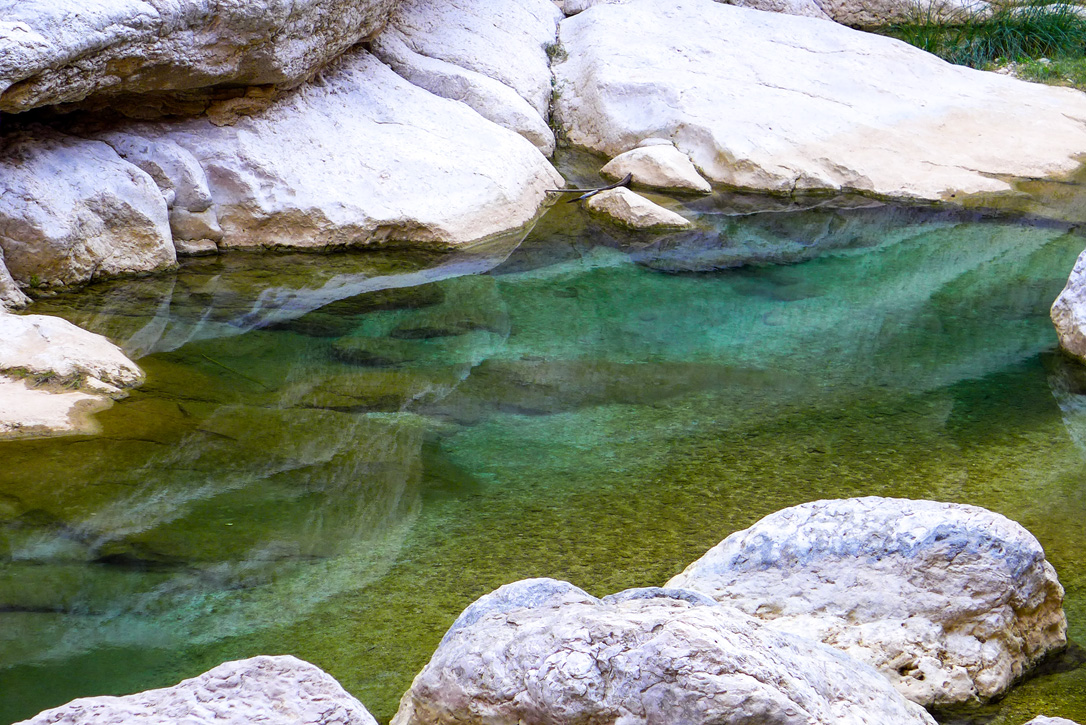
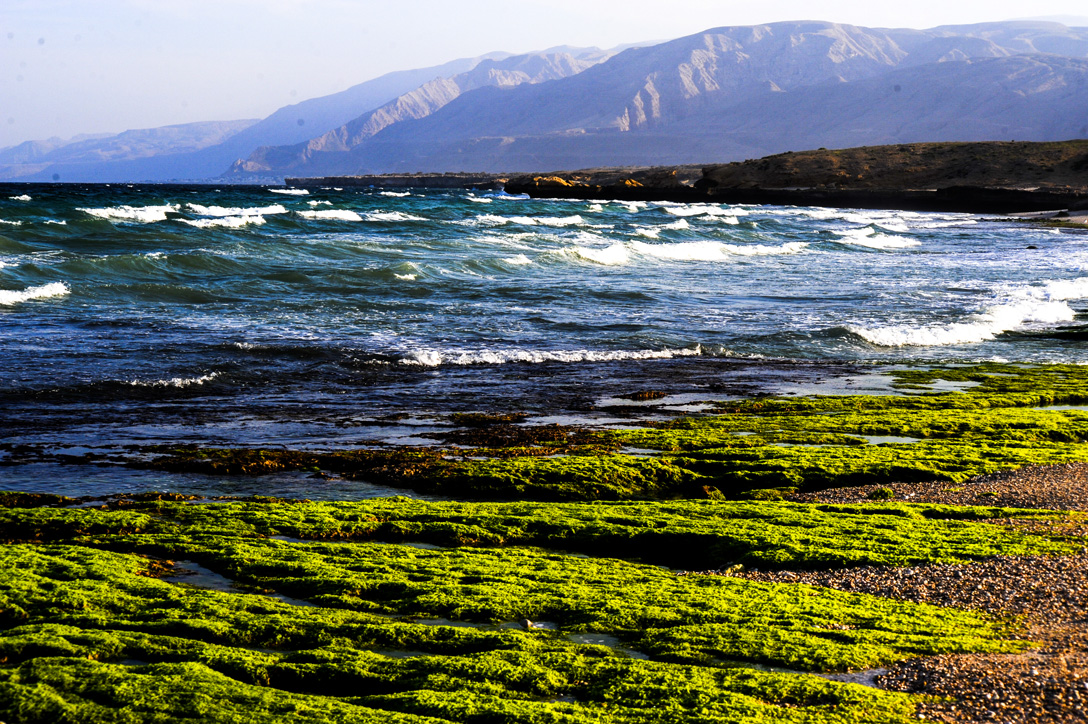
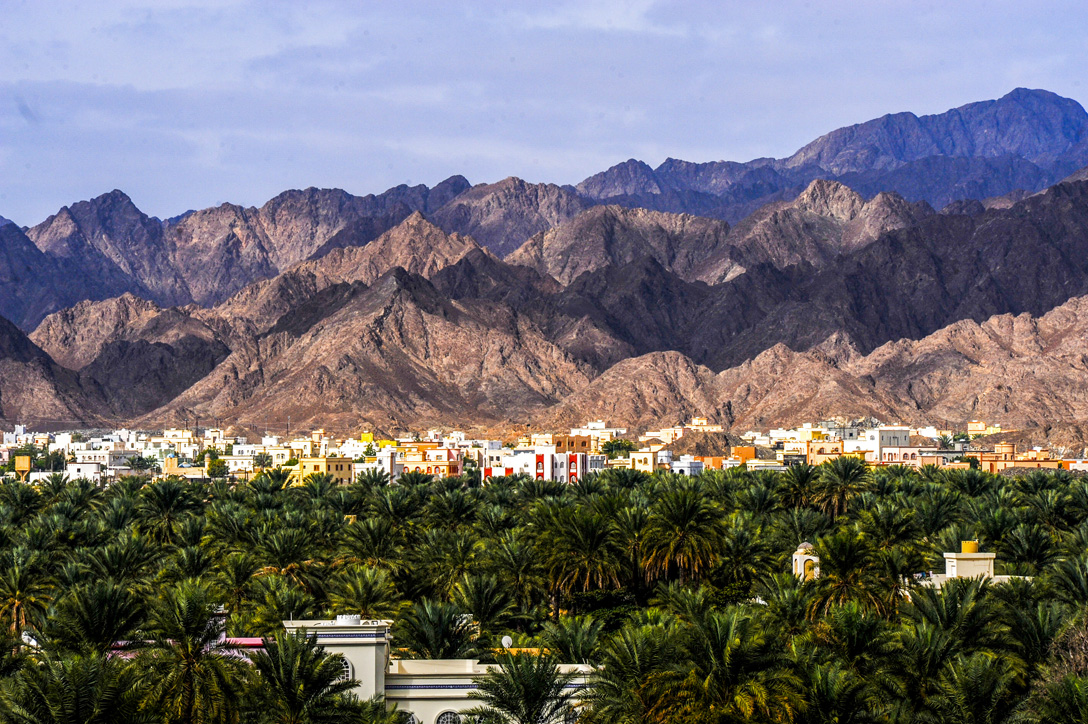
Racchiude una grande varietà di paesaggi: coste irregolari, spiagge tranquille e montagne scoscese, oasi e deserti attraversati dai wadi e dalle rotte carovaniere. Controllato da uno dei governi più ambientalisti del mondo, l’Oman è un paese sospeso fra modernità e tradizione, noto per la gentilezza della sua popolazione.
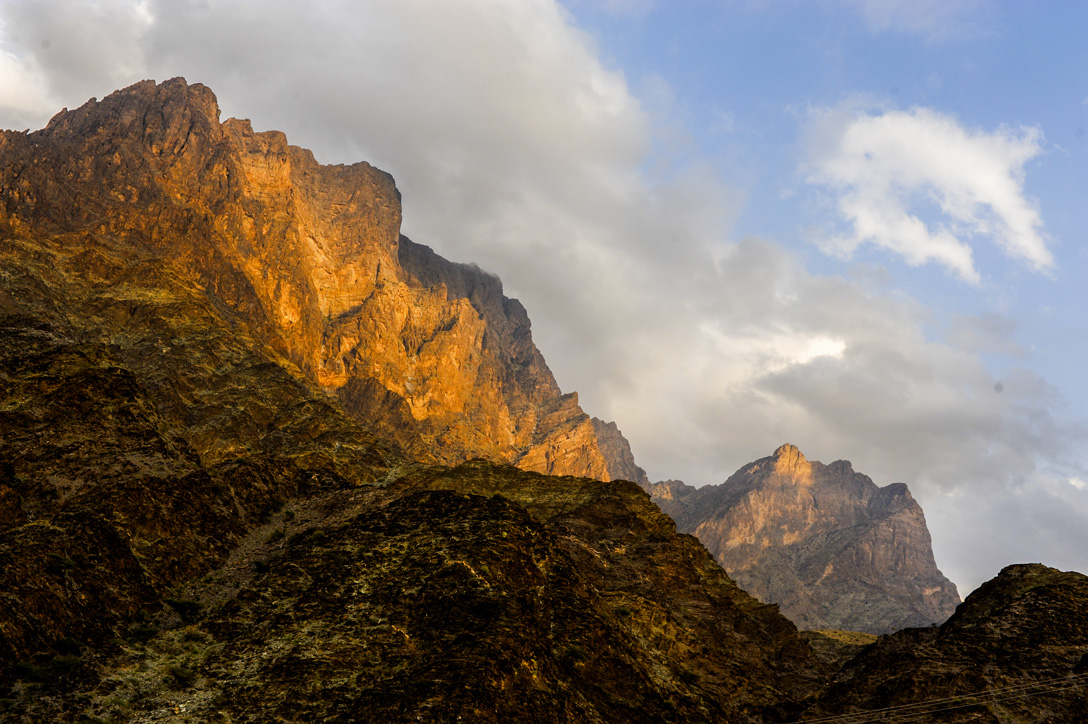
Le montagne dell’Oman sono dominate dai Monti Hajar, una catena montuosa che si estende per 600-700 km nel nord-est dell’Oman e negli Emirati Arabi Uniti. Spina dorsale dell’Oman, la catena corre parallela alla costa, culminando con il Jabal Shams (3.009 m) e il Jabal Akhdar (3.075 m). Spesso si trova neve sui picchi più alti. La Musandam Peninsula (di cui abbiamo parlato in una precedente NEWS) nel punto più a nord si affaccia sul Golfo di Oman ed è separata dal resto dell’Oman dagli Emirati Arabi Uniti. È in una posizione strategica a sud dello Stretto di Hormuz e la costa si protende per circa 600 km nello stretto, posta tra il Golfo Persico a nord ed il Golfo di Oman a sud, con di fronte l’Iran. Il mare è nel suo punto più stretto (largo anche poco più di 30 km e con una corsia di navigazione di soli 3 km) attraverso cui passano le navi che scendono lungo il Golfo Persico per entrare nel Golfo di Oman e quindi nel Mar Arabico per risalire il Mar Rosso e raggiungere il Canale di Suez. Lo Stretto di Hormuz di fatto rappresenta il canale di trasporto petrolifero più trafficato del mondo e – come stiamo vedendo in questi giorni – è un collo di bottiglia cruciale per l’approvvigionamento energico globale.
Oman is a little-known country that in recent weeks has unwittingly ended up on everyone’s lips following the attack on Iran. The Sultanate of Oman occupies the eastern corner of the Arabian Peninsula. It borders Saudi Arabia, the United Arab Emirates (UAE), and Yemen. It has a very long coastline – over 3,000 km – and is bordered by the Arabian Sea and the Persian Gulf (Gulf of Oman), from the Strait of Hormuz in the north to the border with Yemen in the south.
Oman’s renaissance began in 1970 under the late Sultan Qaboos bin Said, with the aim of transforming it from a closed and isolated nation into a modern country while respecting its traditions. Oman is the oldest independent state in the Arab world, ruled continuously by the Al Bu Said dynasty since 1744.
It encompasses a wide variety of landscapes: rugged coastlines, calm beaches, and rugged mountains, oases and deserts crossed by wadis and caravan routes. Controlled by one of the world’s most environmentalist governments, Oman is a country poised between modernity and tradition, known for the kindness of its people.
The mountains of Oman are dominated by the Hajar Mountains, a mountain range that extends for 600–700 km in northeastern Oman and the United Arab Emirates. The backbone of Oman, the range runs parallel to the coast, culminating in Jabal Shams (3,009 m) and Jabal Akhdar (3,075 m). Snow is often found on the highest peaks. The Musandam Peninsula (which was the theme of a previous NEWS) overlooks the Gulf of Oman at its northernmost point and is separated from the rest of Oman by the United Arab Emirates. It occupies a strategic position south of the Strait of Hormuz, and its coastline extends for approximately 600 km into the strait, between the Persian Gulf to the north and the Gulf of Oman to the south, facing Iran. The sea is at its narrowest point (just over 30 km wide and with a shipping lane of only 3 km), through which ships pass as they travel down the Persian Gulf to enter the Gulf of Oman and then the Arabian Sea, up the Red Sea to reach the Suez Canal. The Strait of Hormuz is the world’s busiest oil transport channel and – as we are seeing these days – a crucial bottleneck for global energy supplies.
Omán es un país poco conocido que, involuntariamente, se ha convertido en el centro de atención en las últimas semanas tras el ataque a Irán. El Sultanato de Omán ocupa el extremo oriental de la península arábiga. Limita con Arabia Saudita, los Emiratos Árabes Unidos (EAU) y Yemen. Posee una extensa costa de más de 3000 km y está bañado por el mar Arábigo y el golfo Pérsico (golfo de Omán), desde el estrecho de Ormuz en el norte hasta la frontera con Yemen en el sur.
El renacimiento de Omán comenzó en 1970 bajo el reinado del difunto sultán Qaboos bin Said, con el objetivo de transformarlo de una nación cerrada y aislada en un país moderno, respetando al mismo tiempo sus tradiciones. De hecho, Omán es el estado independiente más antiguo del mundo árabe, gobernado ininterrumpidamente por la dinastía Al Bu Said desde 1744.
Omán abarca una gran variedad de paisajes: costas escarpadas, playas tranquilas y montañas agrestes, oasis y desiertos surcados por uadis y rutas de caravanas. Gobernado por uno de los gobiernos más ecologistas del mundo, Omán es un país que oscila entre la modernidad y la tradición, conocido por la amabilidad de su gente.
Las montañas de Omán están dominadas por la cordillera Hajar, que se extiende a lo largo de 600-700 km en el noreste de Omán y los Emiratos Árabes Unidos. Esta cordillera, columna vertebral de Omán, discurre paralela a la costa y culmina en Jabal Shams (3009 m) y Jabal Akhdar (3075 m). Es frecuente encontrar nieve en las cumbres más altas. La península de Musandam (que comentamos en una noticia anterior) domina el golfo de Omán en su extremo norte y está separada del resto del país por los Emiratos Árabes Unidos. Ocupa una posición estratégica al sur del estrecho de Ormuz, y su costa se extiende aproximadamente 600 km dentro del estrecho, entre el golfo Pérsico al norte y el golfo de Omán al sur, frente a Irán. El estrecho se encuentra en su punto más angosto (poco más de 30 km de ancho y con un canal de navegación de tan solo 3 km), por donde transitan los barcos que navegan por el golfo Pérsico para entrar en el golfo de Omán y luego en el mar Arábigo, y remontar el mar Rojo hasta llegar al canal de Suez. El estrecho de Ormuz es la ruta de transporte de petróleo más transitada del mundo y, como vemos actualmente, un cuello de botella crucial para el suministro energético mundial.
Un paese tranquillo e rilassato che stride con la situazione che da anni affligge lo Yemen a sud e con lo sfarzo, il lusso e i grattaceli dei vicini paesi dell’UAE, in particolare Dubai e Abu Dhabi. “Amici di tutti, nemici di nessuno”, come era solito definire l’Oman il Sultano Qaboos.
In queste settimane l’Oman è stato al centro dell’attenzione. Prima per i colloqui tra rappresentanti dell’Iran e degli Stati Uniti, tenutisi nella capitale (Muscat), e interrotti bruscamente dall’improvviso attacco all’Iran. E successivamente per i massicci flussi di persone che cercavano di abbandonare gli Emirati Arabi Uniti e di raggiungere l’aeroporto di Muscat. Mentre in macchina da Dubai all’aeroporto di Muscat si impiegavano nel passato poco meno di cinque ore (circa 450 chilometri), dopo l’inizio della guerra il tragitto si è notevolmente allungato a causa dei tempi di controllo ai posti di controllo.
Negli anni sono stato più volte in Oman, paese bellissimo abitato da gente cordialissima. Anche quando andammo nella Musandam Peninsula nel gennaio 2024 c’erano problemi ad entrare dagli Emirati Arabi Uniti. Con una macchina affittata non si riusciva ad avere un permesso di transito. Già allora c’erano tensioni nell’area dello Stretto di Hormuz. Potemmo passare perché ci vennero a prendere al posto di confine dall’Oman.
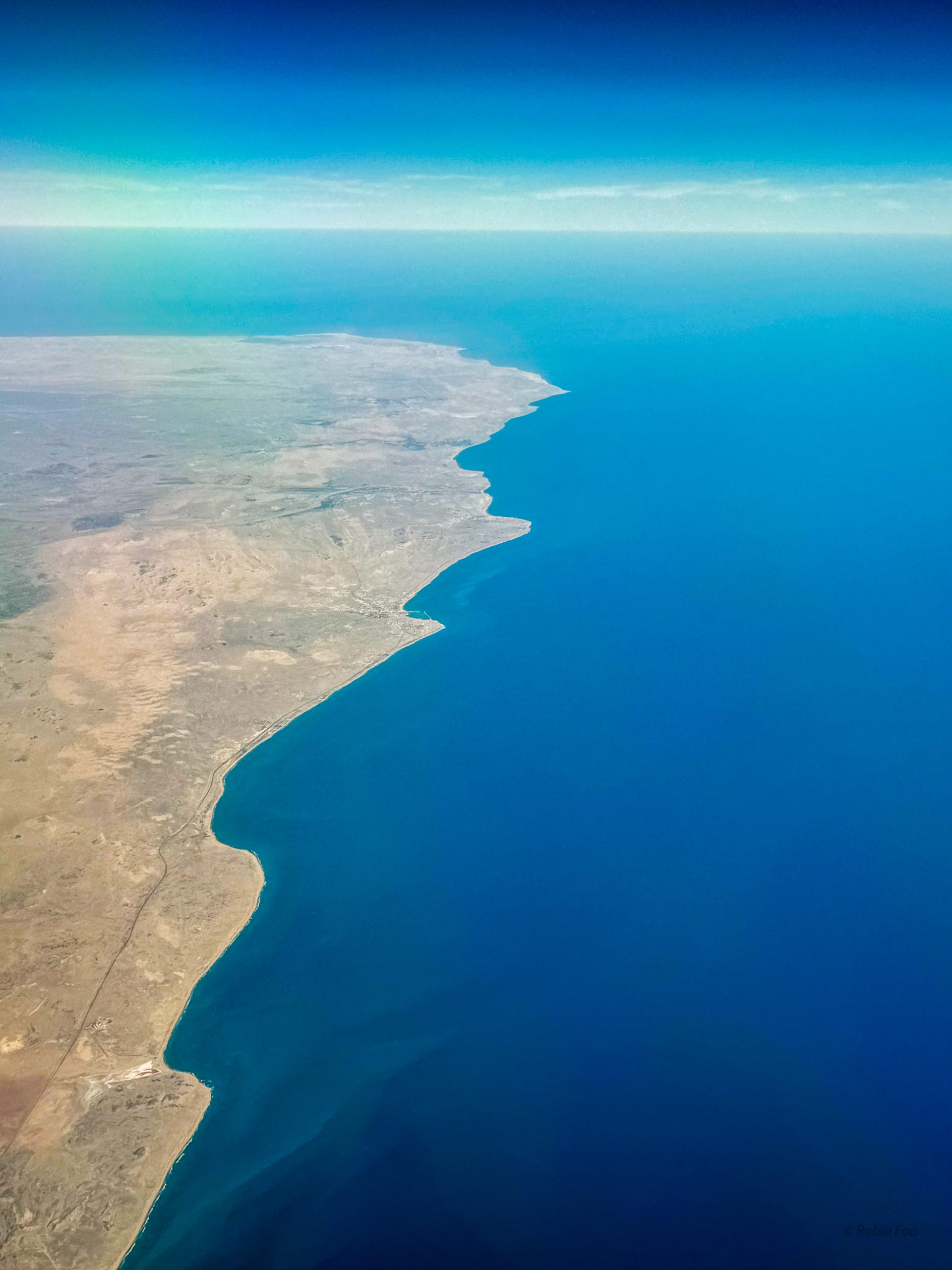
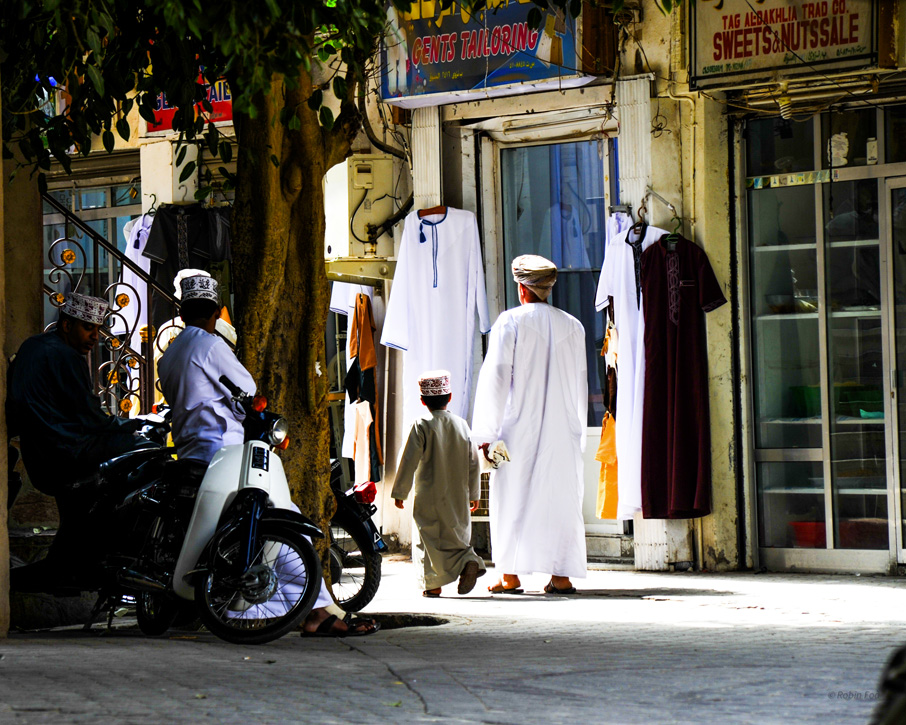
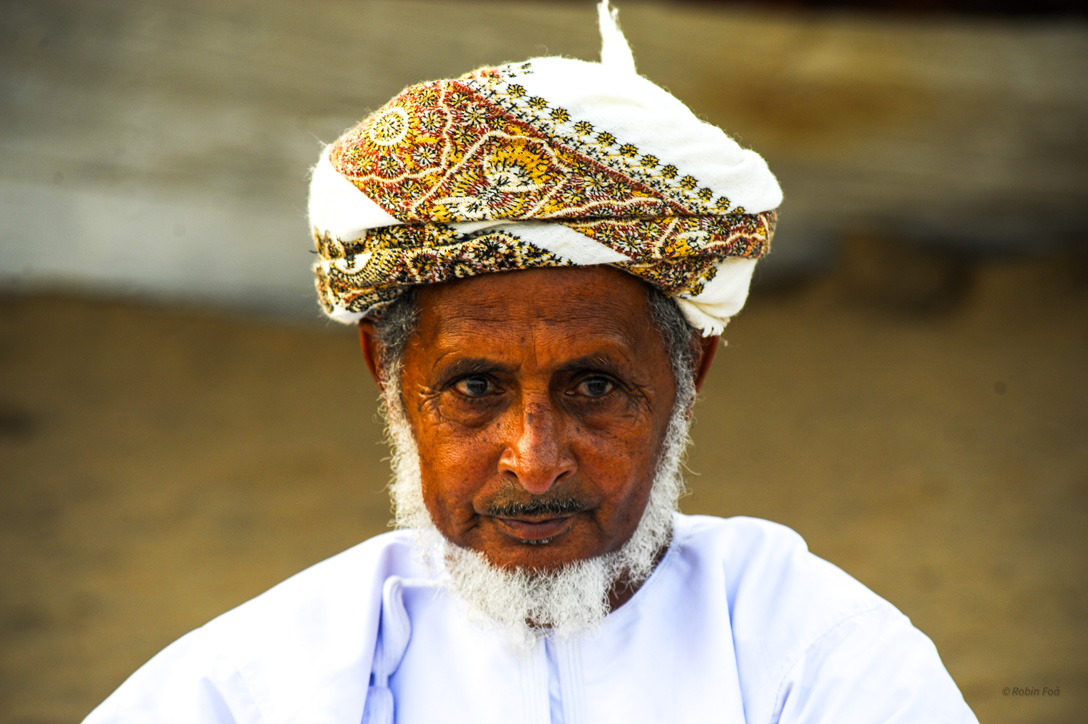
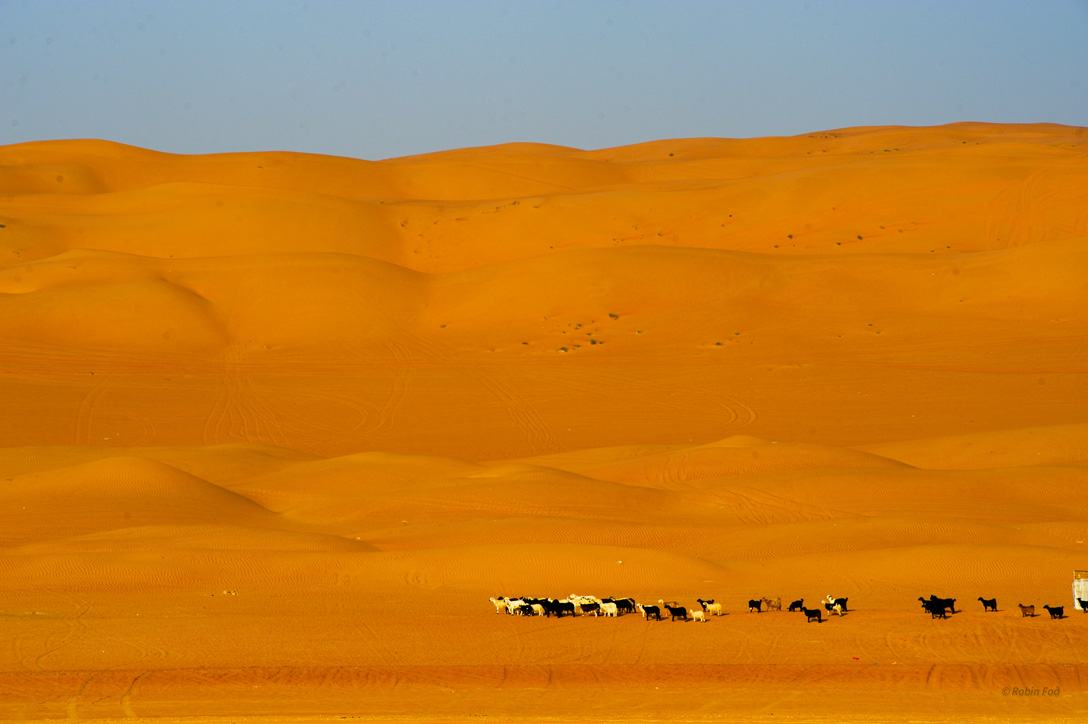
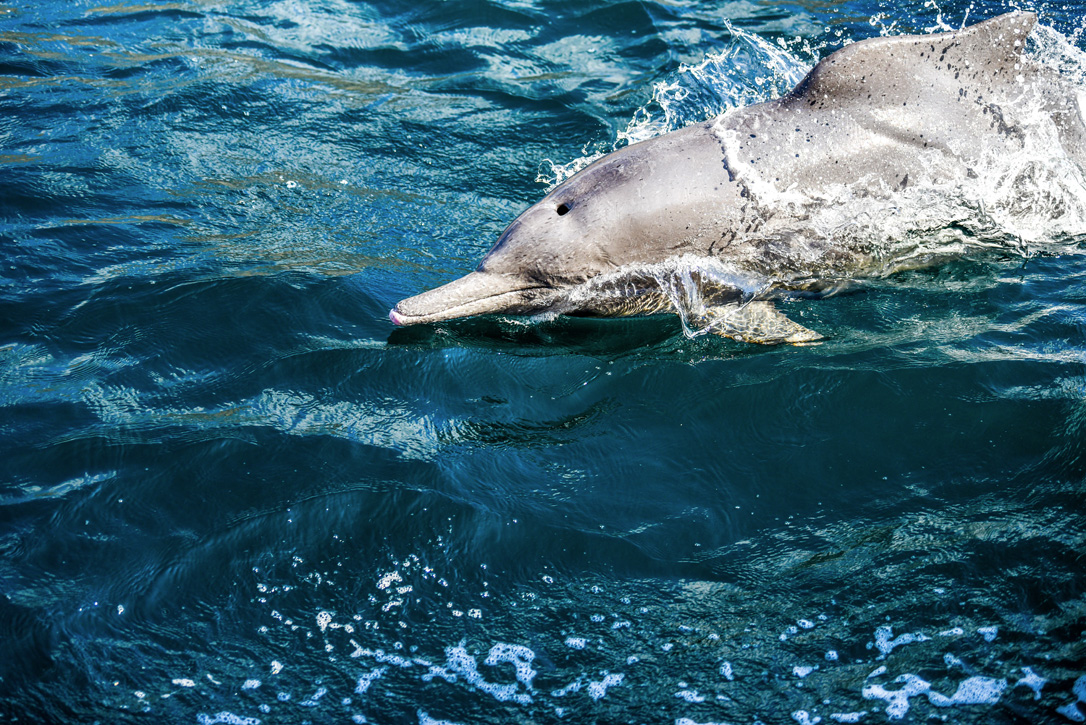
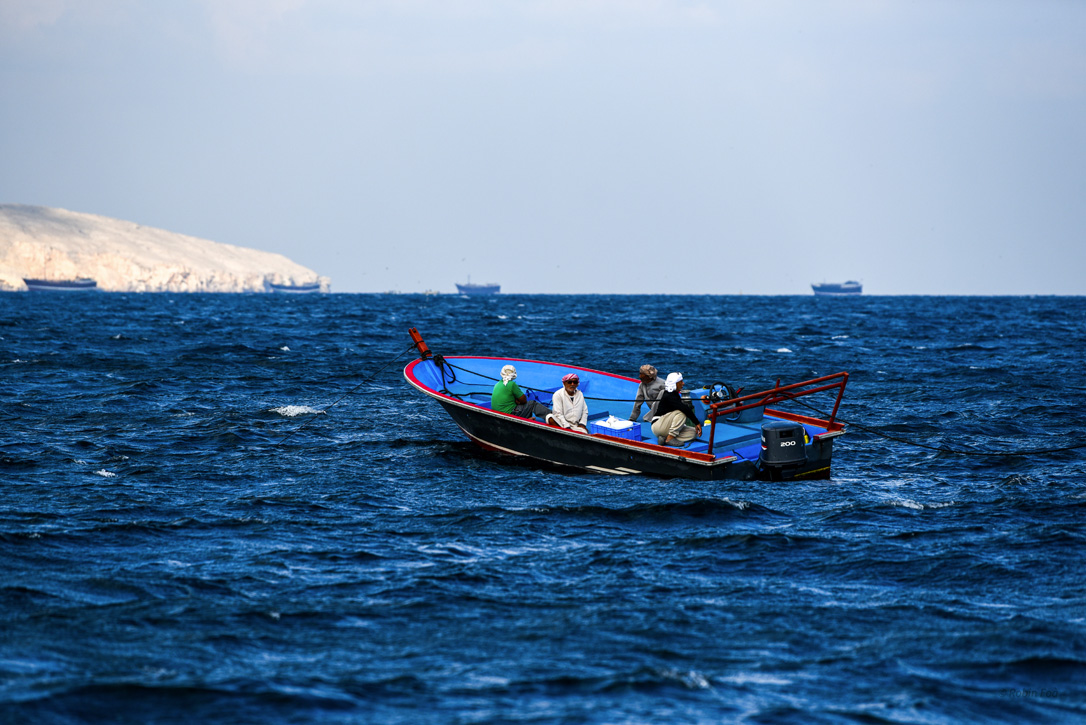
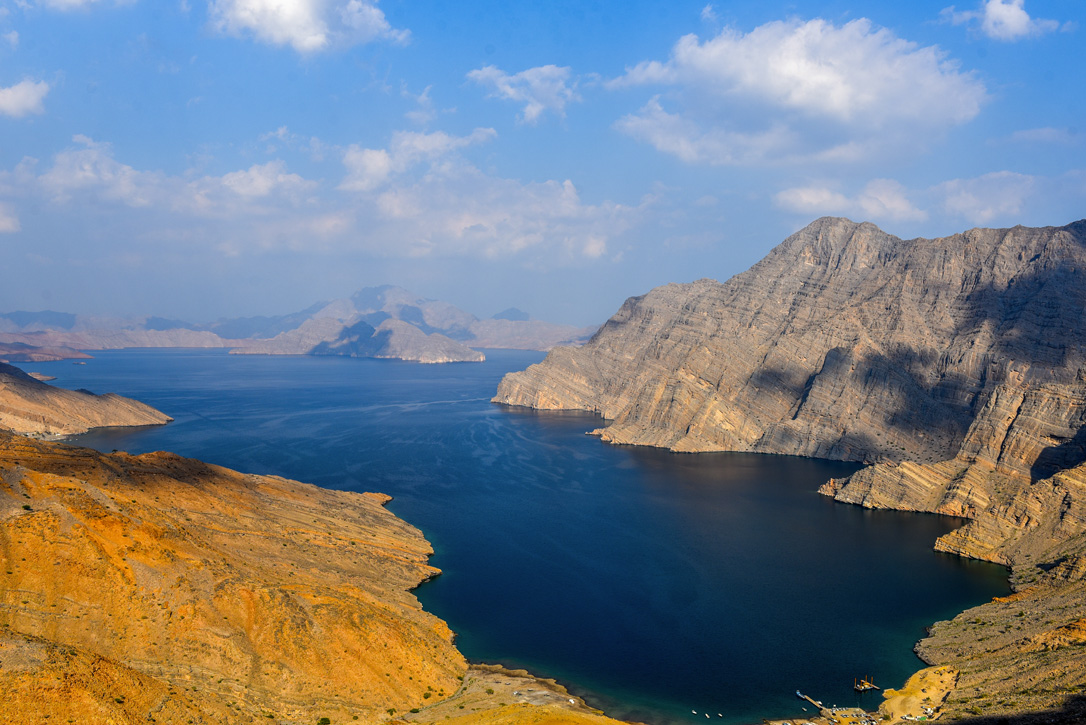
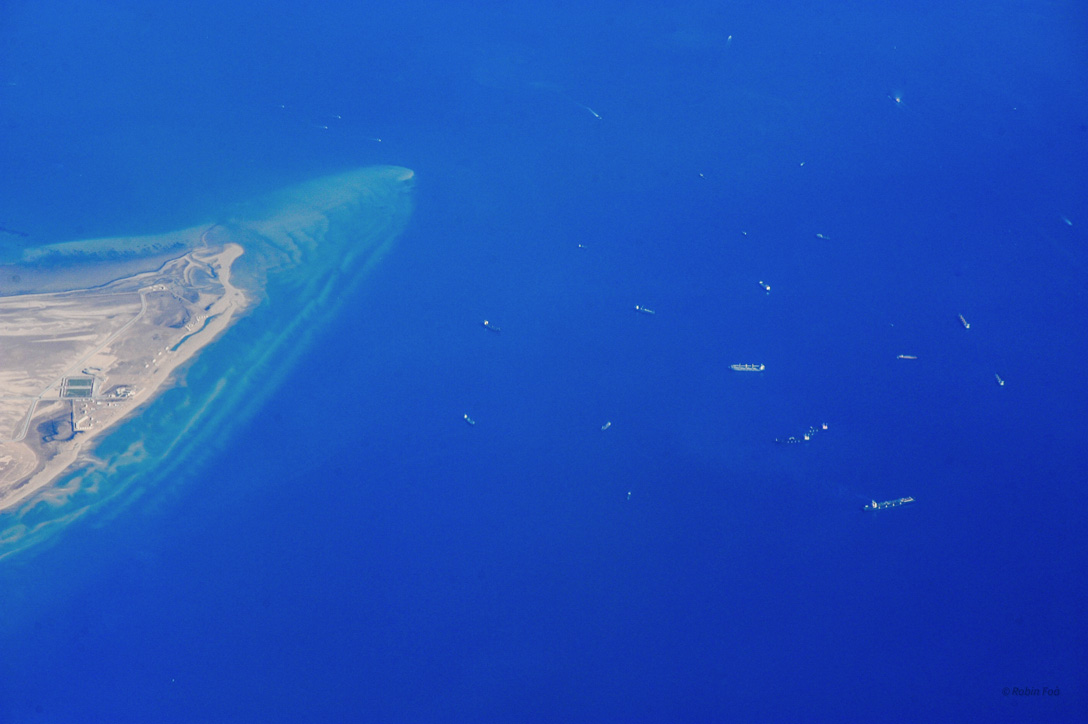
Le 13 immagini che trovate cercano di illustrare alcune delle tante bellezze dell’Oman, dalla geografia visibile dall’aereo, ai deserti, alle montagne, ai wadi, alle persone, ai delfini nel fiordo di Khor Ash Sham nella Musandam Peninsula, alle petroliere che solca(va)no i mari…
A quiet and relaxed country that contrasts sharply with the situation that has plagued Yemen to the south for years and with the glitz, luxury, and skyscrapers of neighboring UAE countries, particularly Dubai and Abu Dhabi. “Friends of all, enemies of none”, as Sultan Qaboos used to call Oman.
Oman has been in the spotlight in recent weeks. First, because of the talks between representatives of Iran and the United States, held in the capital (Muscat), which were abruptly interrupted by the sudden attack on Iran. And then, because of the massive influx of people trying to leave the United Arab Emirates and reach Muscat airport. While the drive from Dubai to Muscat airport would normally take just under five hours (about 450 kilometers), since the start of the war the journey has become much longer due to the length of checkpoints.
Over the years, I have been to Oman several times, a beautiful country inhabited by extremely friendly people. Even when we traveled to the Musandam Peninsula in January 2024, there were problems entering from the United Arab Emirates. With a rented car, we couldn’t get a transit permit. Tensions were already high in the Strait of Hormuz area. We were able to pass because we were picked up at the border crossing from Oman.
The 13 images you can find here aim at illustrating some of the many beauties of Oman, from the geography visible from the airplane, to the deserts, the mountains, the wadis, the people, the dolphins in the Khor Ash Sham fjord on the Musandam Peninsula, and the oil tankers that sailed the seas…
Un país tranquilo y relajado que contrasta marcadamente con la situación que ha asolado Yemen, al sur, durante años, y con el glamour, el lujo y los rascacielos de los Emiratos Árabes Unidos, en particular Dubái y Abu Dabi. “Amigos de todos, enemigos de nadie”, como solía decir el sultán Qaboos.
Omán ha estado en el punto de mira en las últimas semanas. Primero, por las conversaciones entre representantes de Irán y Estados Unidos, celebradas en la capital (Mascate), que fueron interrumpidas abruptamente por el repentino ataque a Irán. Y luego, por la afluencia masiva de personas que intentaban salir de los Emiratos Árabes Unidos y llegar al aeropuerto de Mascate. Si bien el trayecto en coche desde Dubái hasta el aeropuerto de Mascate solía durar poco menos de cinco horas (unos 450 kilómetros), desde el inicio de la guerra, el viaje se ha alargado considerablemente debido a la duración de los controles fronterizos.
He estado en Omán varias veces; es un país hermoso habitado por gente extremadamente amable. Incluso cuando viajamos a la península de Musandam en enero de 2024, tuvimos problemas para entrar desde los Emiratos Árabes Unidos. Con un coche de alquiler, no pudimos obtener un permiso de tránsito. La tensión ya era alta en la zona del estrecho de Ormuz. Pudimos pasar porque nos recogieron en el puesto fronterizo procedente de Omán.
Las 13 imágenes que encontrará aquí intentan ilustrar las numerosas bellezas de Omán, desde la geografía visible desde el avión, a los desiertos, las montañas, los uadis, la gente, los delfines en el fiordo de Khor Ash Sham en la península de Musandam, y las compañías petroleras que surcan (o solían surcar) los mares…